Crypto payment terminal: what it is and what works today
Crypto payment terminal explained: a point-of-sale device for crypto payments, what is on the Qvard roadmap and what works today with the API.
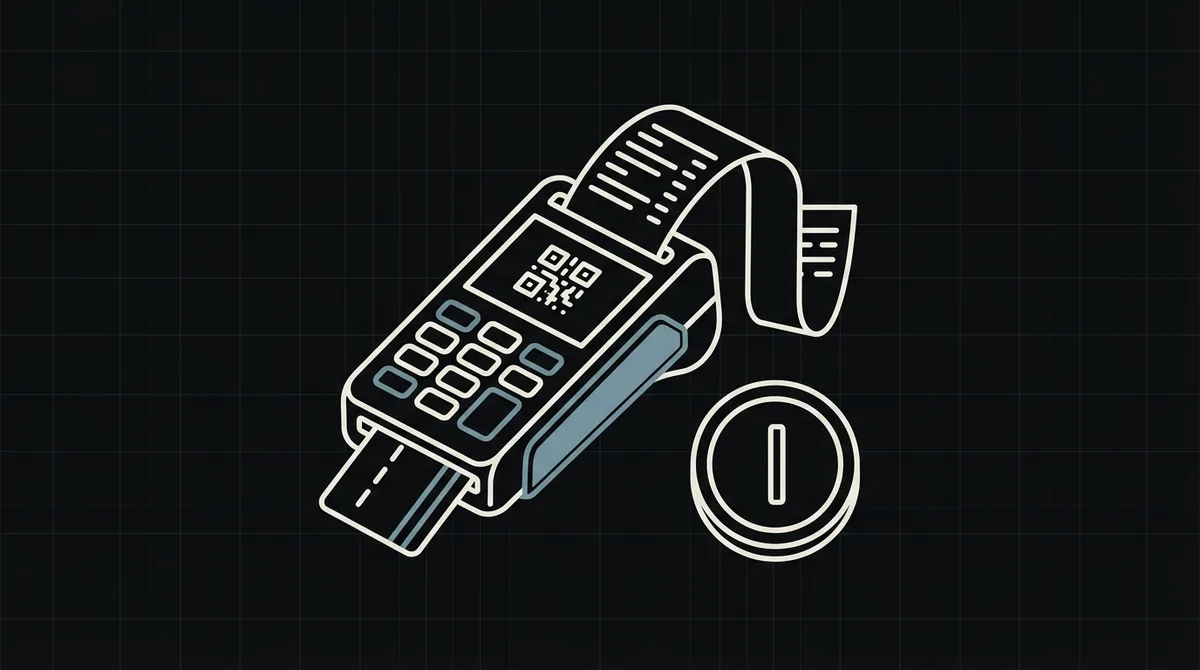
A crypto payment terminal is a point-of-sale device that takes crypto payments at a counter. Qvard has a terminal on the roadmap and it is not released yet. This guide explains the concept and the working path: a cash-register server that creates payments with the live v1 API.
What a crypto payment terminal does
A crypto payment terminal shows the amount, lets the customer pay with a wallet and confirms the result on the screen. It replaces a card reader for businesses that want to accept crypto at a physical counter.
Status: the terminal is on the roadmap
The Qvard POS terminal is not released yet, and this article does not describe it as a finished device. The working path below is available today through the API, the hosted payment page and the webhook.
What works today
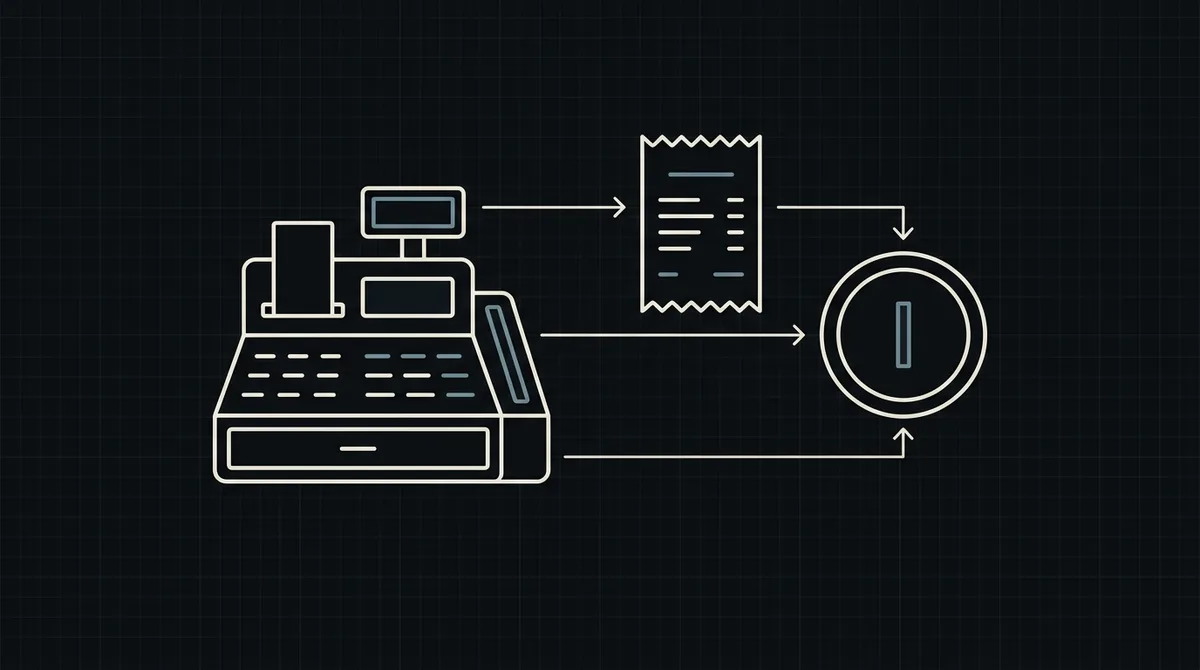
The cash-register server creates a payment with POST /api/v1/payment and the x-api-key header, and receives a redirectUrl. The customer pays on the hosted page that the redirectUrl points to, and the webhook delivers the final status.
x-api-key: sk_live_…

{
  "id": "order_1024",
  "price": 149.99,
  "paymentSystemId": 12
}

// 201 Created
{
  "data": {
    "id": "8f3k2a1c",
    "redirectUrl": "https://my.qvard.com/pay/8f3k2a1c"
  },
  "code": 201,
  "message": "success",
  "status": true
}The register server call
Send the sale id as id and the total in USD as price. Keep the API key on the register server. The response returns the redirectUrl that the register then shows to the customer.
Confirm the sale by webhook
The register should mark the sale as paid only after the webhook delivers the id and the status paid. Until then the sale stays pending, even if the customer says they have paid.
How to prepare for a dedicated terminal
Keep the sale logic and the webhook in your register software. When a dedicated terminal is released, the device changes, while the payment creation and the status handling stay the same.
FAQ
Is there a Qvard crypto payment terminal today?
Not yet. The POS terminal is on the roadmap. Today a register server uses the API, the hosted page and the webhook.
Can I use my own cash register software?
Yes. Any software that can send an HTTPS POST and receive a webhook can create payments through the API.
What does the customer see at the counter?
Today the register shows the redirectUrl as a QR code or link, and the hosted payment page opens on the customer device.
How do I test before a live sale?
Create a demo invoice, pay it on the hosted page and check that the webhook marks the sale.