Crypto payments for international customers
A practical checklist for selling to customers in other countries and accepting crypto: pricing in dollars, networks, fees, short payments, time zones, refunds, taxes and what to confirm before launch.
Cross-border sales are where crypto helps most and where small details cost most. A customer in another country can pay in minutes without correspondent banks, but only if the price, the network, the fees and the follow-up are clear. This guide is a checklist for selling internationally with crypto, with the points to confirm before you launch.
Price in one currency, collect in one
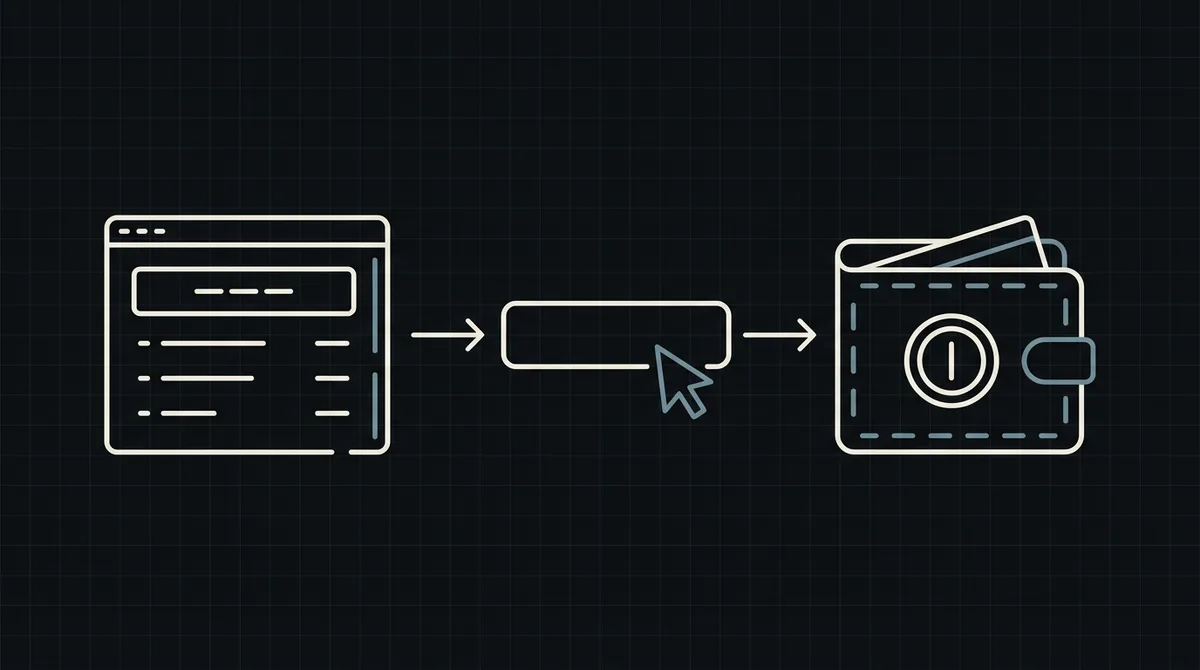
Pick US dollars as the single currency of your crypto checkout. With Qvard you set the price in dollars and the customer pays the equivalent in the asset and network they choose on the payment page, at a rate fixed for one hour. That gives every customer in every country the same number, and it means a stablecoin payment is not exposed to a price swing between order and payment.
If your shop shows local currencies, convert the order total to dollars before creating the payment and show the dollar amount at the crypto checkout, so that nobody is surprised by the number on the payment page.
Let the customer choose the network, and explain it
International customers use different wallets and exchanges, and each has favourite networks. Let the payment page do the choosing: the customer picks the asset and the network there and gets the matching address and exact amount.
Because the same coin exists on several networks, a mistake is the biggest risk with customers who are new to crypto. Say on your checkout which assets and networks you accept (see the supported coins) and that the payment must be made on the network chosen on the payment page. For the comparison of the common ones, see TRC20, ERC20 and BEP20 for payments.
Fees, short payments and refunds across borders
- Fees. The sender pays the network fee on top of the amount. If the customer pays from an exchange, the exchange may take its own withdrawal fee out of the amount; tell customers that the amount shown must arrive.
- Short payments. A payment that arrives short gets the
partialstatus and no completion webhook. Keep the order open and ask for the difference, or refund. See how to handle USDT underpayments. - Refunds. A crypto payment cannot be reversed. A refund is a transfer you send to an address and network the customer confirms, so write the rule in your terms and keep a support contact visible.
- No chargebacks. The sender cannot dispute the payment through a bank, which is an advantage for you and a reason for customers to be careful.
Time zones, support and communication
A crypto payment does not wait for business hours, so your process should not either.
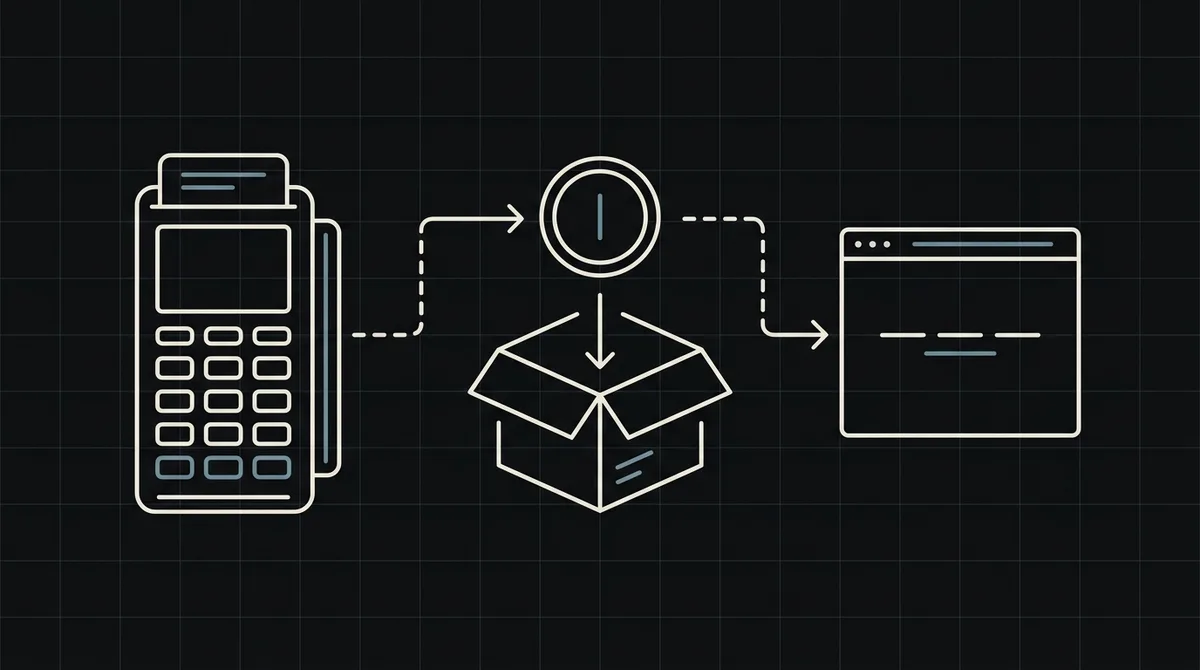
- Automatic confirmation. Mark the order paid from the webhook, which Qvard sends when the payment is completed. Your endpoint must answer exactly HTTP 200 and be safe to run twice, so a retry or a late delivery is harmless. See webhook retry strategy for payment systems.
- A status page. A customer in another time zone should see "waiting", "received, X missing" or "paid" without writing to you.
- Clear language. Keep payment instructions short and in the languages your customers use. Check which languages the payment page itself offers before you promise anything about it.
Compliance and taxes: confirm, do not assume
International sales add rules that depend on your country and your customers' countries: how crypto receipts are taxed and booked, whether you can sell to particular countries, what records you must keep, and what checks apply to your business. This guide does not answer them, and neither should a payment page.
Before launch, ask your accountant and, if needed, a lawyer, and confirm with Qvard which countries and activities are supported for your project. Keep the order value in dollars and the payment id beside each order so that your records are easy to produce.
A launch checklist
- Prices in dollars; local-currency totals converted before the payment is created.
- Accepted assets and networks stated at checkout.
- Webhook endpoint public, HTTPS, answers exactly 200, safe to run twice.
- A rule for short payments and a written refund rule.
- A visible support contact and a status page for orders.
- Withdrawal tested: you withdraw to your own wallet for the network fee; withdrawal to a bank account in fiat is not available.
- Tax and legal questions answered by your advisers.
The integration walkthrough is in how to accept crypto payments on a website, and the commercial terms on the pricing page: no subscription fee, and an individual commission that starts at 1% and can go down to 0.1%.
FAQ
In which currency should I price for international customers?
In US dollars. The customer pays the equivalent in the asset and network they choose, at a rate fixed for one hour. Convert local-currency totals to dollars before creating the payment.
Do I need a separate setup for each country?
The payment flow is the same for every customer: one API request creates the payment and a webhook reports the result. Which countries and activities are supported for your project is something to confirm with Qvard, and tax and legal rules with your advisers.
What if an international customer pays the wrong network?
The funds do not arrive as expected and need manual handling. Reduce the risk by stating the accepted networks at checkout, letting the payment page show the network next to the address, and keeping a support contact visible.
Are there chargebacks?
No. The sender cannot reverse a crypto transfer, so a refund is a transfer you send yourself.